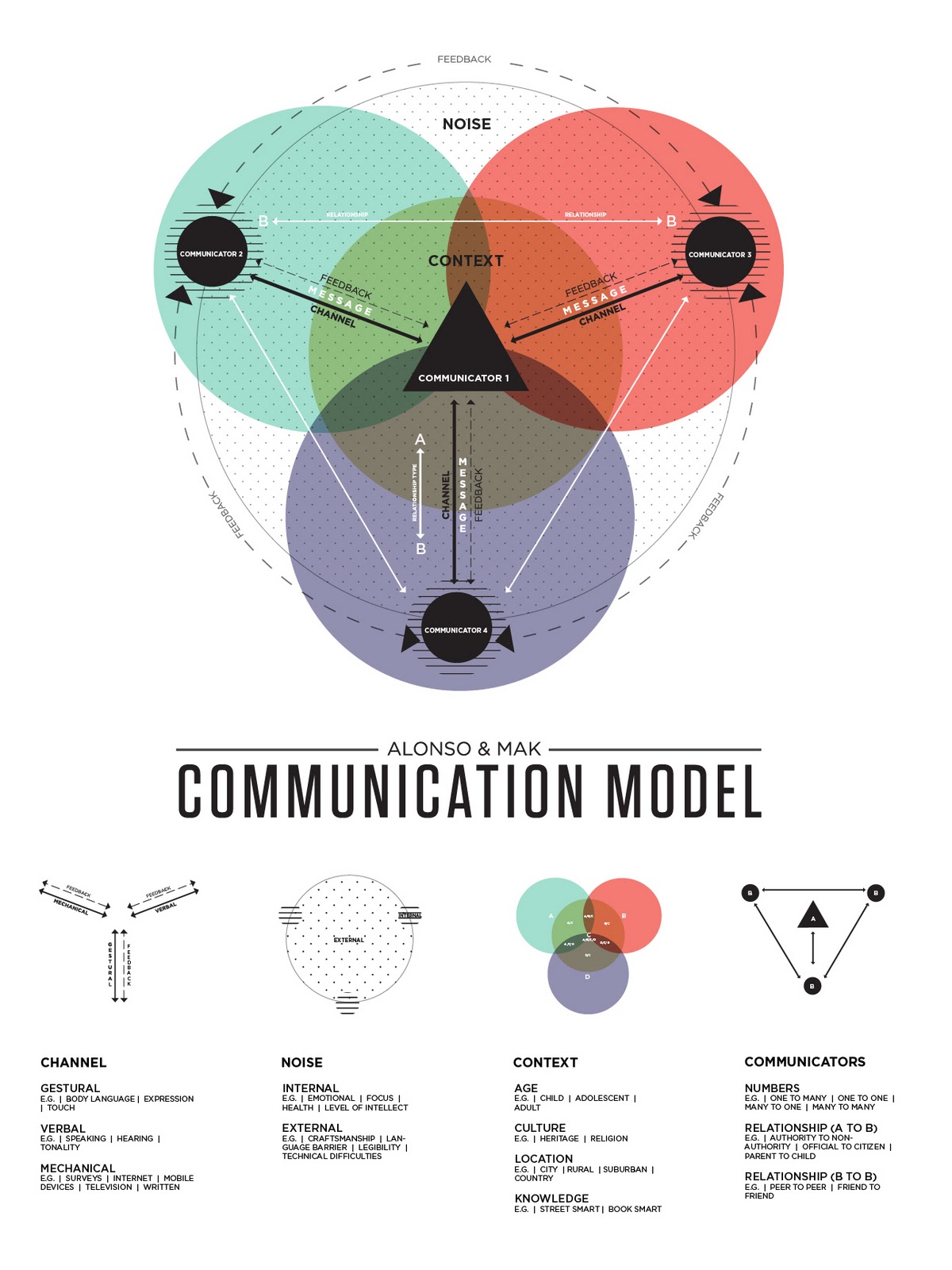
Our final project this semester is design intervention. We are now applying what we learned about communication from our communication models to a real life situation, specifically, the systematic issue of poverty. How can we as designers address a breakdown in communication and propose a solution that will help to make a difference.
However, in order to understand the situation in which we are designing for and to identify a communication breakdown we must research. One way to gather information and experience is through walking in the shoes of the individual through a simulation. So, during class we all attended a poverty simulation sponsored by AIGA and USCAA. During the simulation I played Anne Aber, a mother of three children and wife to a recently unemployed Adam Aber. Taking what we experienced from the poverty simulation our first order of business was to come up with 3 different design interventions.
Proposal 1:
Our first direction focuses on students seeking that are involved in higher education or seeking higher education. During the simulation we saw an example of a student that struggled in providing for his family and how difficult it was to invest both the time and money to locate resources. So we propose a series of educational guides to help students seeking or involved in high education means to decode application processes and to help locate resources.
Proposal 2:
In our second proposal we realized that a lack of communication and organization within the family could be detrimental for their survival and progression. In order to keep the family on the same page we propose a home organization system to manage and prioritize responsibilities within the family. It will allow for good time management across multiple individuals allowing for more things to be taken cared of and act as a centralized hub for family members to communicate/check-in during their busy schedule.
Proposal 3:
During the simulation both of had been adults and so we identified how difficult it was to locate resources and how overwhelming the day to day stress was. Once the first day was over it we didn't have time to rest, we had to figure out a plan of action for the next day. So, for our intervention we propose an environmental or guerrilla graphic series that will alleviate emotional stress spontaneously throughout the day, but also provide information to resources.